
Poker thrills ignite when psychology meets online tension
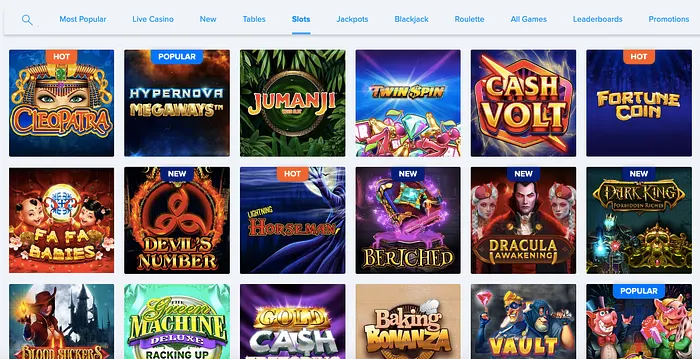
Table of Contents
When Poker Meets Online Tension
The pulse of a poker table used to beat in smoky backrooms, where chips clicked in dim light, where every blink or breath told a story. Today, that same thrill finds a screen instead of felt. Players from different corners of the world join tournaments on platforms that blend tension, playfulness, and psychological depth. While the screen might have replaced the table, the essence of the game, that quiet duel of minds, remains.
It’s fascinating really, how the mix of human intuition and carefully engineered digital design can heighten excitement. When I logged into Nine Casino for the first time, I expected numbers and algorithms. What I didn’t expect was that rush of recognition, the quickening pulse before a decision, the same tension I’d once felt in person. Online poker somehow manages to recreate that delicate cocktail of risk and strategy that makes players lean forward in their chairs and forget the world outside.
The Psychology Behind Online Poker
Psychology has always been poker’s secret sauce. But online, the rules of mind-play shift in subtle but powerful ways. Without faces to read or voices to catch in nervous inflection, players must turn to digital cues: timing tells, bet patterns, inconsistencies in speed. Each move becomes a clue, a digital tell, hidden in motion and tempo. There’s something hauntingly intimate in that detachment, like reading someone’s thoughts through code.
Identity Through Pixels
Behind every username, there’s a person with desires, fears, and unpredictable quirks. You might play against someone patient to the edge of stillness, only to find them crashing into all-in bets five hands later. The shift, that abrupt emotional break, is where psychology dances its wildest steps. Maybe the player just lost a big virtual pot. Maybe they got bored. Or maybe, they’re deliberately trying to unsettle you. Reading such motives is what makes online poker strangely alive.
Balancing Rationality And Emotion
Most experienced online poker players eventually face a paradox. On one hand, logic guides every smart decision; on the other, emotion fuels daring moves. It becomes this delicate conversation between mind and heart. I’ve seen even mathematically gifted players crumble under pressure, and reckless ones catching a perfect streak. The beauty lies in not knowing which side to trust at any given moment.
The Digital Difference
In a physical casino, noise and movement are real distractions. Online, distraction comes in different forms—the occasional lag, flicker of a message notification, or the hidden psychological pressure of anonymity. There’s comfort in being unseen, but isolation too. It’s the perfect breeding ground for overthinking, second-guessing, and trying too hard to be unpredictable.
Interface Matters
Good gaming interfaces walk a fine line. They must be intuitive yet entertaining, easy to navigate yet risky enough to keep you alert. Platforms today craft visual experiences that mimic reality while maintaining efficiency, making the user experience an essential psychological component. The sound of virtual chips, the clean swipe of cards—these aren’t random design choices. They replicate the rhythm of real play.

Players, Patterns, And Pressure
Online poker has developed its own ecology. Regulars learn from algorithms as much as from each other. Patterns emerge, evolve, and sometimes collapse overnight. The world of virtual gambling doesn’t stand still—it breathes. Players who thrive here often share a curious mix of patience and boldness, analytical thinking paired with emotional awareness.
- They track every move they make, building data portfolios on themselves.
- They adjust their strategies based on time zones and player demographics.
- They spot habitual bluffers through oddly consistent timing or bet sizes.
Each of these observations feeds a new layer of understanding. It’s no longer just about your cards but also about predicting how your opponent’s psychology might break under invisible tension. The thrill rarely lies in the win alone, but in the process of discovery—the feeling of seeing through patterns other eyes miss.
Strategy Meets Gut Feeling
In poker, no equation ever captures the full human spectrum. That’s where instinct swoops in. Sometimes, a player reads nothing yet senses everything. The rhythm of clicking, the choice of table, the size of an opening bet—each forms a music of motives that a skilled player can read almost subconsciously. Intuition might sound unscientific, yet inside online tension, it becomes as tangible as math.
Calculated Impulse
It may sound contradictory, but the best impulses are often calculated. Players who know when to ignore their stats often surprise themselves and their rivals. One moment of irrational bravery, placed well, can tilt the entire table. That’s the addictive part: how unpredictability turns into art.
Emotional Management
The ability to remain calm after a heavy loss determines longevity more than talent. Online environments magnify frustration because there is no real-world counterbalance like body language or crowd reaction. Everything happens quietly, behind screens, which makes internal control the most important bluff of all.
- Learn to identify emotional triggers before they affect your decisions.
- Develop a short ritual, like stepping away for a minute after losing a hand.
- Remind yourself that every player, no matter how skilled, faces random variance.
When handled well, these online emotions turn into muscle memory, and poker starts becoming less of a gamble and more of a study in self-mastery.
Building Trust Through Technology
One overlooked element of online poker’s appeal is its evolving sense of community. Forums and real-time chats recreate the camaraderie of in-person tables, though in a pixelated form. That said, trust on digital platforms must be earned, not assumed. Casinos and platforms have learned this lesson quickly, implementing advanced encryption, fair play audits, and transparency in payouts.
Security From The Shadows
Reputable casinos protect player funds and privacy like banks. They understand that psychological comfort is just as important as rewards. Knowing that your money and identity are safe adds confidence to every bet you place.
A trustworthy environment nurtures freer play and more creative risk-taking. After all, poker thrives where players feel equally protected and challenged.
Bonuses, Promotions, And Motivation
Bonuses act as both incentive and psychological trigger. A newcomer’s welcome bonus, a cashback, or a tournament reward all feed into excitement loops that make online gaming more dynamic. However, each bonus affects decision-making differently. Where some see an opportunity to test bigger stakes, others see extra room for error tolerance. Casinos use this understanding to shape promotions that keep player engagement stable but thrilling.
Why Bonuses Matter
Bonuses shift player behavior subtly. A generous offer can lure cautious individuals into trying riskier strategies, enhancing the tension that keeps them hooked. But balance remains essential. Too much reward, and the challenge fades; too little, and excitement dwindles. The smartest players recognize bonuses not as free money but as tactical opportunities.
- Use welcome bonuses to explore the platform’s interface freely.
- Utilize loyalty rewards to build long-term engagement with consistent plans.
- Track turnover requirements as a tool, not an obstacle, to refine self-discipline.
Statistic Glimpse
Let’s look quickly at a statistical glimpse comparing emotional factors and platform influences on gameplay. While it doesn’t capture everything, it gives an insight into how psychological and technical aspects intertwine:
| Aspect | Psychological Impact | Online Factor | Outcome |
|---|---|---|---|
| Reaction Time | Stress or overconfidence affects timing | Software clocks track and display delay | Predictable betting behavior |
| Privacy Level | Encourages experimentation | Anonymity hides real identity | More creative strategies |
| Bonus Influence | Triggers reward-seeking dopamine release | Dynamic bonus systems | Increased playtime |
| Visual Design | Enhances focus and mood | User interface aesthetics | Extended user sessions |
| Security Confidence | Reduces anxiety, promotes bold play | SSL encryption, licensing transparency | Improved trust and retention |
Looking Ahead
The world of online poker will continue evolving where human psychology meets machine precision. Future platforms might analyze micro-emotions using webcams or adjust music dynamically to match the pace of your play. Perhaps the environments will blend virtual reality, making digital bluffs feel as real as breathing across a table. The constant is tension—an energy line that runs from our fingertips to the screen, where every move tells a story of risk and reason.
For now, poker remains a rare intersection of logic and emotion, mathematics and human intuition. It’s a craft disguised as entertainment, a duel of patience and daring. Whether played in smoky rooms or on sleek websites, the same age-old thrill ignites the moment cards are dealt and choices become mirrors of the self. Each hand might be a gamble, but every session unfolds like a psychological puzzle—one you can’t stop solving.